Stephen Curry’s ‘Shot Ready’ Goes Beyond the Game
Stephen Curry’s Shot Ready opens with a premise that’s deceptively simple: the discipline behind an elite shooter’s split-second decisions. But Curry isn’t interested in recycling highlight-reel nostalgia or offering a shallow motivational manual. The opening frames the book as a study in preparation—how precision, repetition, and mental sharpness shape the moments fans mistake for effortless brilliance. It’s an effective hook because it grounds the narrative in process, not myth-making.
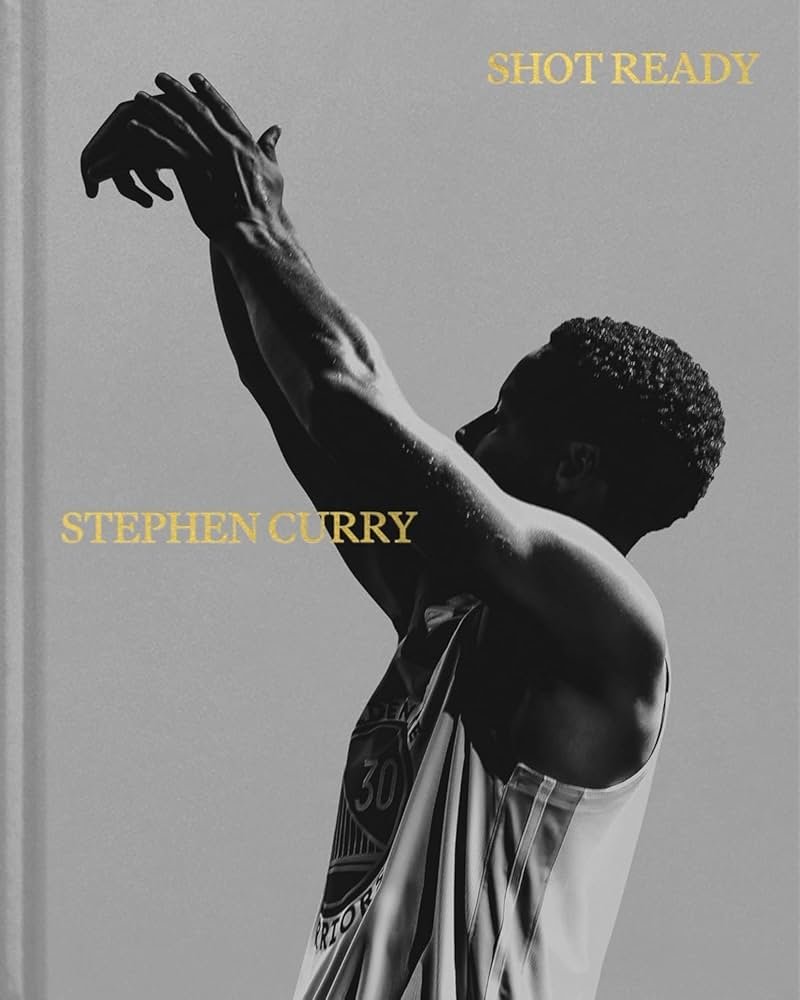
The pacing moves with clean, athletic efficiency. Curry alternates between personal anecdotes, technical insights, and broader reflections on confidence and resilience. The transitions are tight, and the early chapters build momentum quickly, driven by the clarity of his voice and the specificity of his details. Midway through, the book slows as Curry digs into the mental side of performance—focus, composure, emotional control. These sections are valuable but occasionally linger longer than necessary, creating a temporary dip in tempo. Still, the structure recovers, and the final chapters regain that earlier sharpness.
Character depth comes through not in dramatic revelations but in controlled honesty. Curry presents himself without ego: competitive, methodical, and self-critical. He makes his flaws—hesitation, frustration, doubt—part of the story’s engine, not footnotes. The supporting figures—coaches, teammates, family—are rendered with enough texture to illuminate the influences shaping his evolution without turning the book into a secondary biography. A few anecdotes feel lightly sketched compared to their emotional importance, but overall, the character work stays grounded and authentic.
Curry’s writing style is crisp, direct, and surprisingly introspective. He avoids the overwrought inspiration common in athlete memoirs, sticking instead to tangible insight and the mechanics of mastery. His prose carries the same precision as his shooting form—clean lines, no wasted motion. At times, the thematic framing is a bit too neat, as if the narrative is working hard to tie each story back to a lesson. But the voice remains strong, and the clarity of thought compensates for occasional over-structuring.