A Reflective Journey Through Memory, Meaning, and the Quiet Legacy of an Ordinary Life
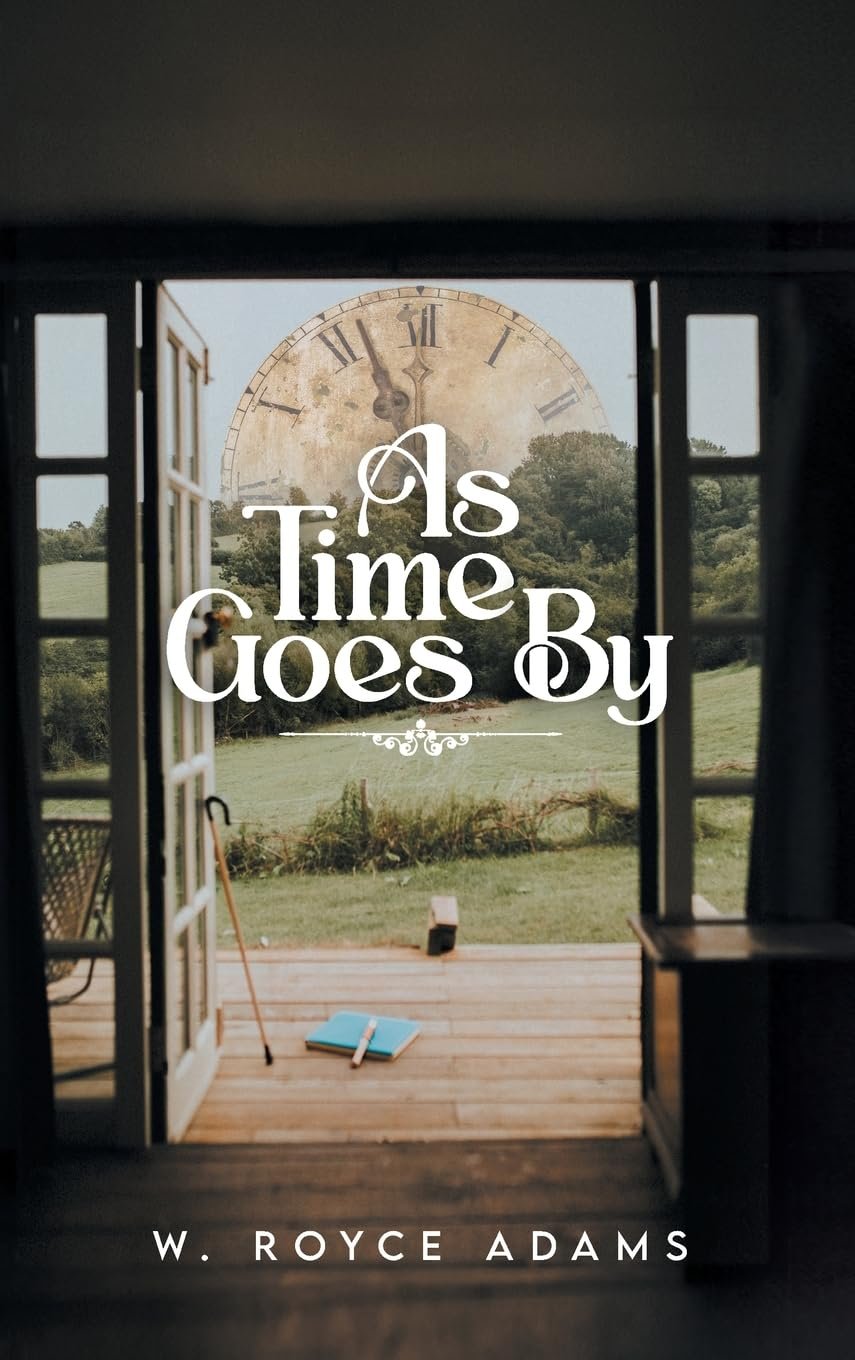
In As Time Goes By, W. Royce Adams delivers a thoughtful and emotionally resonant fictional memoir that explores the timeless questions many people eventually ask themselves: Did my life matter? Did I leave the world better than I found it? Rather than offering easy answers, Adams invites readers into an intimate conversation with "Old," an aging narrator who looks back on the defining moments of his life with honesty, humility, and quiet wisdom.
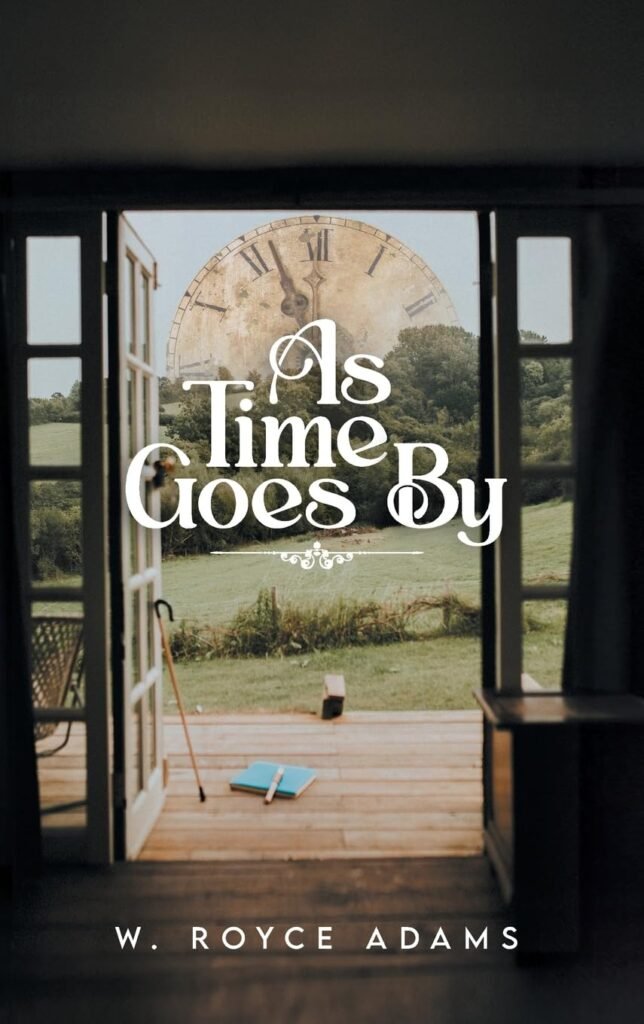
The novel begins with philosophical reflection before unfolding into a series of memories that span childhood in the American Midwest, military service in the Navy, university life, love, family, personal loss, and the simple moments that ultimately shape a lifetime. Adams writes in a clear, understated style that allows the emotional weight of the story to emerge naturally. There is no unnecessary embellishment—only genuine storytelling that feels authentic and deeply human.
One of the book's greatest strengths is its ability to transform ordinary experiences into meaningful reflections. Old is not portrayed as a flawless hero but as someone who has made mistakes, experienced joy, suffered grief, and continued moving forward despite uncertainty. His introspection encourages readers to examine their own lives, relationships, and the lasting influence they may have on others. The result is a narrative that feels personal while remaining universally relatable.
Music also serves as a subtle yet memorable thread throughout the novel, enriching the atmosphere and reinforcing the emotional rhythm of Old's recollections. The thoughtful chapter titles and recurring musical references add another layer of charm without distracting from the central narrative.
Readers who enjoy literary fiction, reflective memoir-style storytelling, or character-driven novels will find much to appreciate in As Time Goes By. Rather than relying on dramatic twists or fast-paced action, the novel succeeds through emotional sincerity, philosophical depth, and compassionate observation of the human experience. It reminds us that significance is not always measured by extraordinary achievements but often by the quiet impact we leave on the people whose lives intersect with our own. W. Royce Adams has crafted a contemplative and heartfelt work that lingers long after the final page, inviting readers to reflect not only on Old's journey, but on the meaning of their own.